Double-play depth, and the ten feet it costs you
Baseball · Defence · 9 of your players and 2 opponents
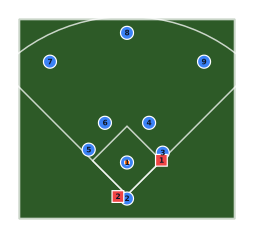
Ten feet in and a stride closer to the bag is the whole trade. The middle infield can turn two from here, and the ball in the hole that used to be an out is no longer one.
Opens on a baseball pitch with the shape already drawn. Free, no signup.
What moves, and by how much
Only two players change, and neither of them moves far. The second baseman and the shortstop come from about 150 ft to about 140 ft, and both shade a step towards second so that either can arrive at the bag on time or take the feed there. The pitcher, the catcher and the corners stay where they were, and the outfield does not move at all: this is a short, cheap adjustment, not a new defence.
Ten feet sounds like nothing until you draw it against the runner. The eleven figures here include a runner on first and the batter, so you can see the two things being traded in the same picture — the middle infielder is a stride nearer the base he has to beat the runner to, and a stride further from the ball he would otherwise have cut off.
The situation it is for
A runner on first with fewer than two out, and a hitter on the ground more often than not. Two out and it is pointless, because there is no double play to turn. Bases loaded and it becomes a different conversation about whether the force at home is better.
The reason to be deliberate about it is the cost. At 140 ft the ball to the shortstop side of the hole gets through, the slow roller arrives sooner than the fielder wants, and a left-handed pull hitter finds the right side of second more often. If you are not reasonably confident of the ground ball, you are giving up base hits for a play that never comes.
Coaching the feed and the turn
- Draw the feed, not the position. Drag the shortstop to the bag and animate it. The throw should arrive where the second baseman will be standing, which is the only version of the picture that helps.
- Both directions. Ball to the right side, shortstop takes the bag; ball to the left, second base covers. Two drawings, and everyone should know which one they are in before the pitch.
- Time it out loud. Say the count and the runner speed. Double-play depth against a fast runner is a different decision from the same alignment against a slow one.
Open it up, mark the feed and the relay to first, then press play and watch whether your turn actually beats the runner you have drawn.
Also known as
- double play
- middle infield
- runner on first
- turn two
Shapes to look at next
Bunt defence (corners in)
Defence · 11 players
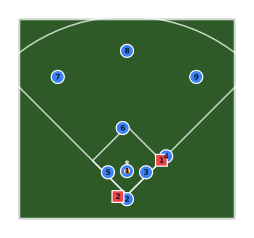
Both corner infielders charge on contact, the pitcher breaks towards the plate, the second baseman covers first and the shortstop takes second. The outfield comes in behind it because nobody is left to back the infield up.
Read the setup
Holding the runner at first
Defence · 11 players
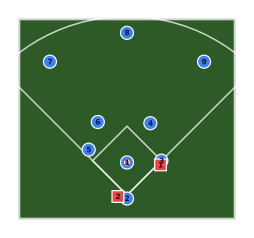
First baseman on the bag for the throw over, second baseman leaning towards the bag to take the steal, shortstop a step across. The hole on the right side is the price of holding the runner close.
Read the setup
Infield in
Defence · 11 players
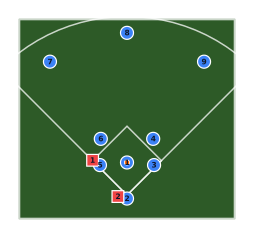
Runner on third in a one-run game: all four infielders move onto the grass to cut the run off at the plate. The ground ball that would have been an easy out is now a play at home.
Read the setup
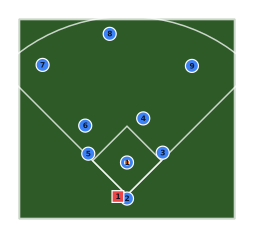
Infield shaded to the pull side
Defence · 10 players
A legal shade against a right-handed pull hitter: third base guards the line, the shortstop slides towards the hole and the second baseman moves towards the bag — but two infielders stay on each side of second, as the rules have required since 2023. The outfield rotates with them.
Read the setup
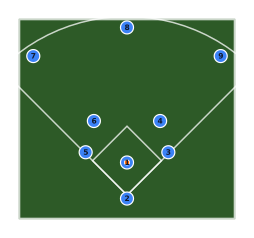
No-doubles defence
Defence · 9 players
Late innings, protecting a lead: the corners guard the lines and the outfielders play deep and towards the gaps. Concedes the single to take the extra-base hit away.
Read the setup
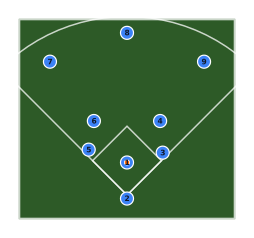
Standard fielding alignment
Defence · 9 players
The nine where they stand with nobody on and nothing to defend against: middle infielders about 150 ft out either side of second, corners in front of their bags, and the outfield at 285-300 ft. Everything else on this list is a change from here.
Read the setup
Put the Double-play depth on a pitch
It opens with the shape already drawn. Move the players your team does differently, drag the runs, and send your squad a link that animates.
Open in PlaymakerPage updated · Baseball play designer · All templates