Shading the infield to the pull side, legally
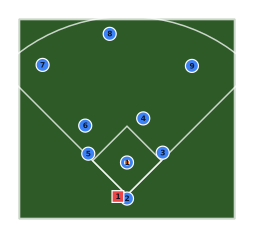
Baseball · Defence · 9 of your players and 1 opponents
Two infielders have to stay on each side of second base with all four of them on the dirt when the pitch is released, so a shade is what is left of the shift. This one is drawn against a right-handed hitter.
Opens on a baseball pitch with the shape already drawn. Free, no signup.
Where the shade actually is
Ten figures here: the nine fielders and the hitter they are moving for. Third base is on the line at about 105 ft. The shortstop is at about 150 ft but well round towards the hole between third and short, which is where a right-hander who pulls the ball puts most of it. The second baseman comes in to about 145 ft and towards the bag, and first base stays where he was at about 103 ft.
Count them and the alignment is legal: third base and the shortstop on the left of second, the second baseman and first base on the right, and all four standing on the infield dirt. There is no fourth outfielder here and nobody parked in short right, because since 2023 neither is allowed. The rotation continues behind them — left field is wider towards the line, centre field slides towards left centre, and right field comes in to about 265 ft.
Who to use it against
A hitter with a spray chart, and not much else. The shade is worth drawing when a right-hander genuinely pulls the ball on the ground, when your own pitcher works the inside half, or when you have data from the last three games rather than a hunch about who looks like a pull hitter.
The rest of the time it hurts. The whole left side is committed, so an opposite-field ground ball rolls into left field untouched, and the hitter who has been shaded against for two seasons knows it. A shade also invites the bunt down the third-base line the moment the corner comes off the chalk. Because the movement is small and legal, coaches over-apply it and then blame the alignment for hits it was designed to concede.
Coaching it inside the rule
- Feet on the dirt at release. That is the actual rule, and it is the one that gets you penalised. Draw the alignment as it is at the moment of the pitch, not where you want people to end up.
- Two either side, every time. Say the count out loud with your infielders standing on the grass. Two left, two right, and the shortstop can go as far round as he likes as long as he stays on his side of the bag.
- The outfield rotates with them. If the infield shades and the outfield does not, you have opened a hole rather than moved one. Draw all seven, not the four in front.
Take it into the designer, shift it to match your hitter and mirror the whole thing for a left-hander, then check the two infielders each side of second before you save it.
Also known as
- shift
- shade
- pull hitter
- positioning
- infield
Shapes to look at next
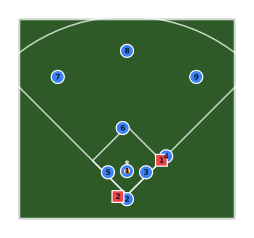
Bunt defence (corners in)
Defence · 11 players
Both corner infielders charge on contact, the pitcher breaks towards the plate, the second baseman covers first and the shortstop takes second. The outfield comes in behind it because nobody is left to back the infield up.
Read the setup
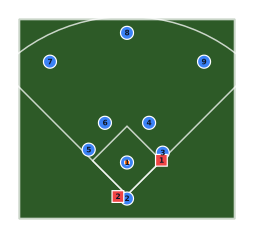
Double-play depth
Defence · 11 players
Runner on first, less than two out: the second baseman and shortstop move in to about 140 ft and shade towards the bag so either can take the feed and turn two. Trades range in the hole for a step less to the base.
Read the setup
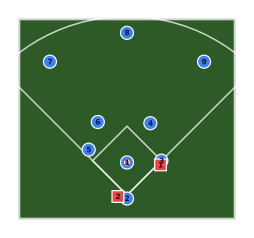
Holding the runner at first
Defence · 11 players
First baseman on the bag for the throw over, second baseman leaning towards the bag to take the steal, shortstop a step across. The hole on the right side is the price of holding the runner close.
Read the setup
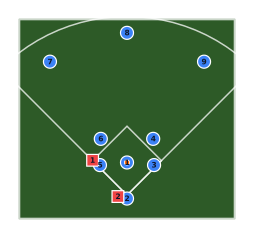
Infield in
Defence · 11 players
Runner on third in a one-run game: all four infielders move onto the grass to cut the run off at the plate. The ground ball that would have been an easy out is now a play at home.
Read the setup
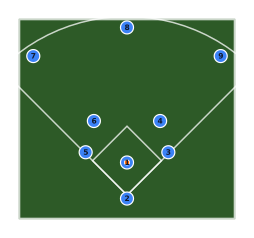
No-doubles defence
Defence · 9 players
Late innings, protecting a lead: the corners guard the lines and the outfielders play deep and towards the gaps. Concedes the single to take the extra-base hit away.
Read the setup
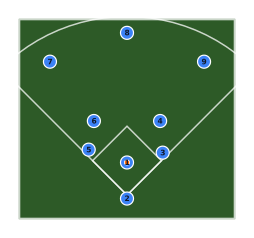
Standard fielding alignment
Defence · 9 players
The nine where they stand with nobody on and nothing to defend against: middle infielders about 150 ft out either side of second, corners in front of their bags, and the outfield at 285-300 ft. Everything else on this list is a change from here.
Read the setup
Put the Infield shaded to the pull side on a pitch
It opens with the shape already drawn. Move the players your team does differently, drag the runs, and send your squad a link that animates.
Open in PlaymakerPage updated · Baseball play designer · All templates